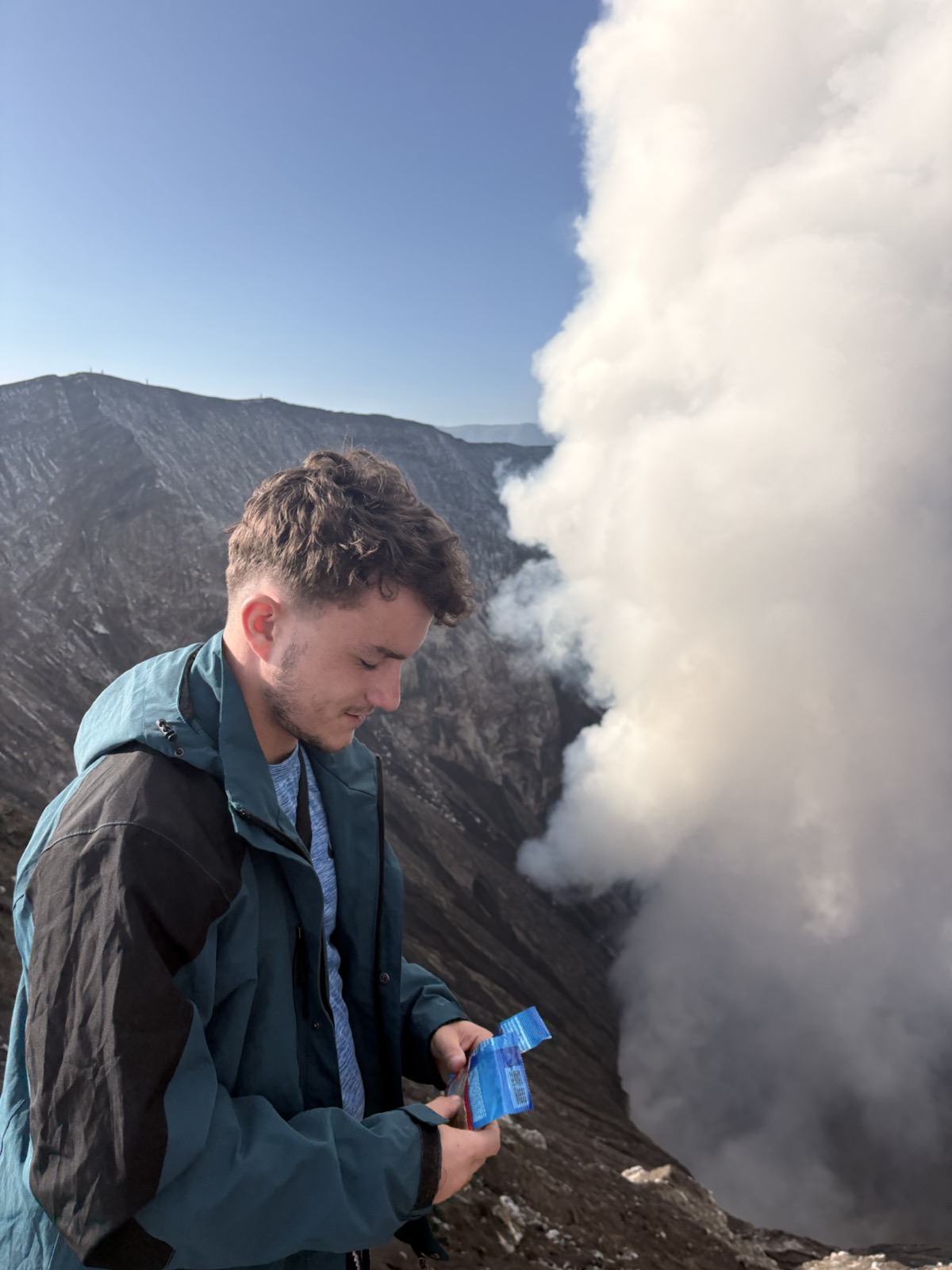
About Ollie
My story
I’m a 25-year-old solo traveller from the UK, living with Type 1 diabetes and severe peanut and shellfish allergies.
Wanting to travel
I had wanted to travel the world since I was about twelve. My family took me around parts of Europe when I was younger, and I became fascinated by the fact that normal life could be completely different depending on where you were born.
By twenty, I had finally saved enough money to travel independently around Southeast Asia. Then COVID arrived and the world shut down. Not long afterwards, I was diagnosed with Type 1 diabetes. I already lived with severe peanut and shellfish allergies.
Diagnosis and university
For a while, I assumed the dream had quietly been extinguished. Every version of travelling in my head ended with overheated insulin, an allergic reaction or me trying to explain a CGM to airport security.
I then went to university in Bristol and turned to alcohol to deal with the pain I felt from being diagnosed. I began to spiral, and I would often go days without checking my blood sugars.
It took a long time, and it wasn’t until after university that I learned to accept my condition for what it was. I began volunteering with Diabetes UK as a Young Leader, and meeting like-minded diabetics was an incredible feeling. Through that network I met so many inspirational people with Type 1 diabetes, and they motivated me to spin my condition into something positive.
My blood sugar control started to improve during my Master’s, and my mental health was improving massively.
I booked a one-way flight to Bangkok, alone.
Booking the one-way flight
In 2025, I completed a Master’s degree in Psychology. I had also reached the point where I understood and managed my diabetes well enough to feel confident to travel. I wasn’t suddenly fearless. But I realized if I don’t do it now, I may never take that leap.
I booked a one-way flight to Bangkok, alone.
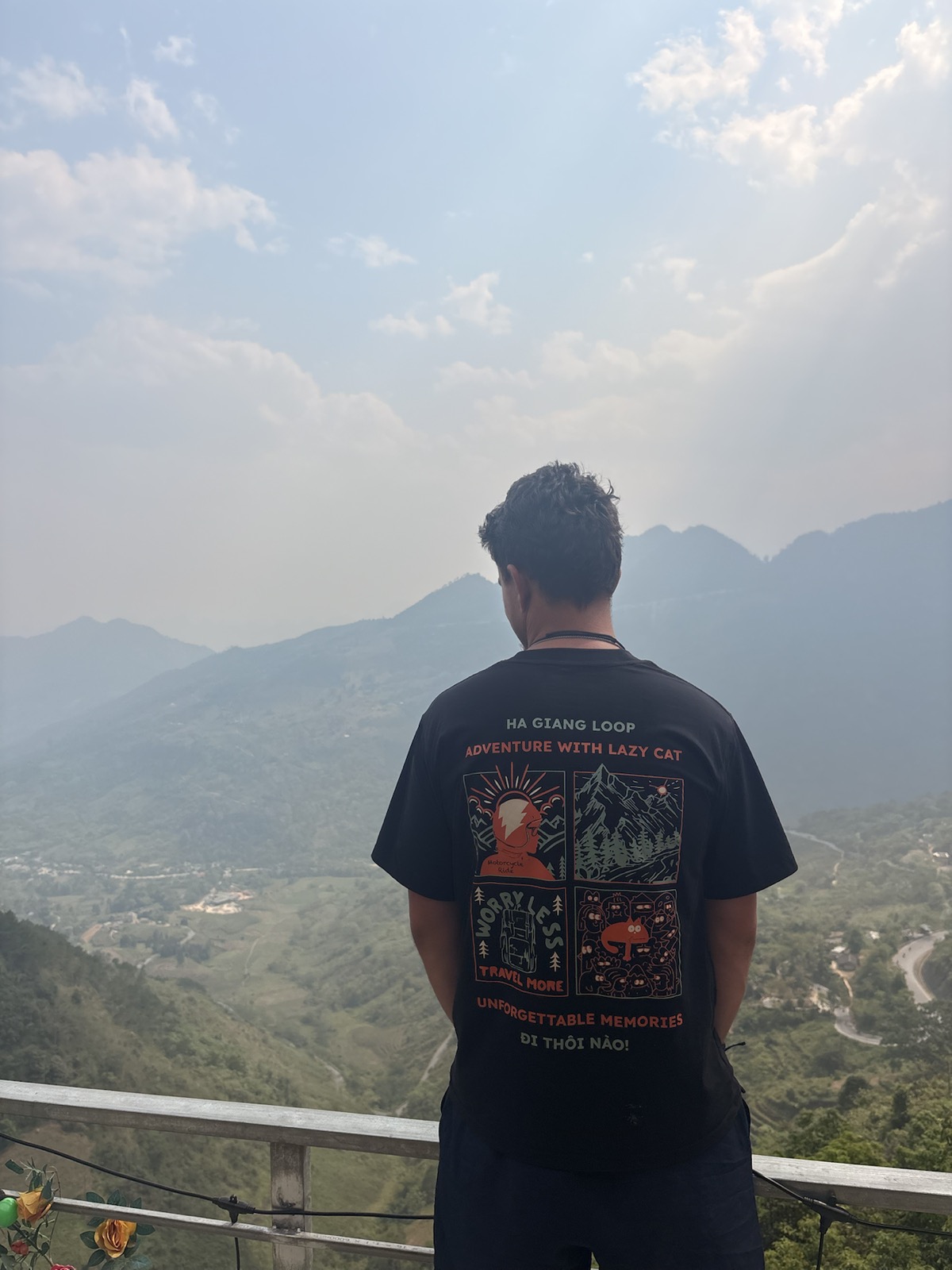
In early 2026, I left the UK and spent five months backpacking through Thailand, Laos, Vietnam, Cambodia, Indonesia and Malaysia. I carried insulin through temperatures above 40 degrees, explained severe allergies across language barriers, treated more hypos than I care to count and stayed in some dodgy hostels which my mum would probably have a mental breakdown if she saw where I was staying.
Some things went brilliantly. Others did not. My insulin was accidentally frozen in northern Vietnam. I had several stomach illnesses, lost a bank card and discovered that locals calling you a “weak westerner” because of your allergies is just part of the joys of the whole experience. I also completed motorbike loops, trekked through jungles, crossed borders, made friends from around the world and volunteered with an amazing Type 1 diabetes charity called Action4Diabetes, which provides vital insulin, glucose monitors and peer support for Southeast Asian locals who need it most. This experience in particular was humbling, to say the least.
What I write about
I started sharing the journey because the information I wanted before leaving was practically non-existent. In addition, the little information there is out there seemed to be polished as either clinical or inspirational. That’s why I share every story and mistake, the bad and the good, because that is what is real. I needed someone to tell me what actually happens when a hostel fridge is unreliable, how it feels to eat abroad with an allergy card, and whether airport security genuinely cares about a backpack full of needles.
That is what this website is for. I share practical guides, honest mistakes and stories from places I think deserve more than a rushed photo stop. I love travelling beyond the obvious attractions, meeting local people and understanding how life, including life with diabetes, works in the places I visit.
I am not here to tell anyone that a positive attitude solves chronic illness. It doesn’t. Preparation, access to medication, support and a fair amount of stubbornness help. But if my experiences make somebody’s first trip feel less frightening, then every awkward fridge conversation was probably worth it.