
Before leaving the hostel for the famous Ha Giang Loop, I made sure most of my three-month supply of insulin was in a safe spot in the communal fridge. I let the staff know that I was leaving my medication in there, which they said was fine.
This, in hindsight, was my first mistake. After travelling for two months with my insulin and using hostel fridges as and when needed along the way, I had yet to encounter a single issue with keeping my insulin safe.
It’s safe to say this gave me a false sense of confidence, and I had clearly, subconsciously, become more relaxed and less worried about my insulin being mishandled.
Anyway, with a few insulin pens in my FRIO bag for personal use while I was on the loop, we set off. It was an incredible experience and definitely lives up to the hype. The incredible landscapes, conversations with my easy driver and the friends I made along the way made my Ha Giang Loop experience special. I would be lying if I didn’t admit that I was scared at points, though.
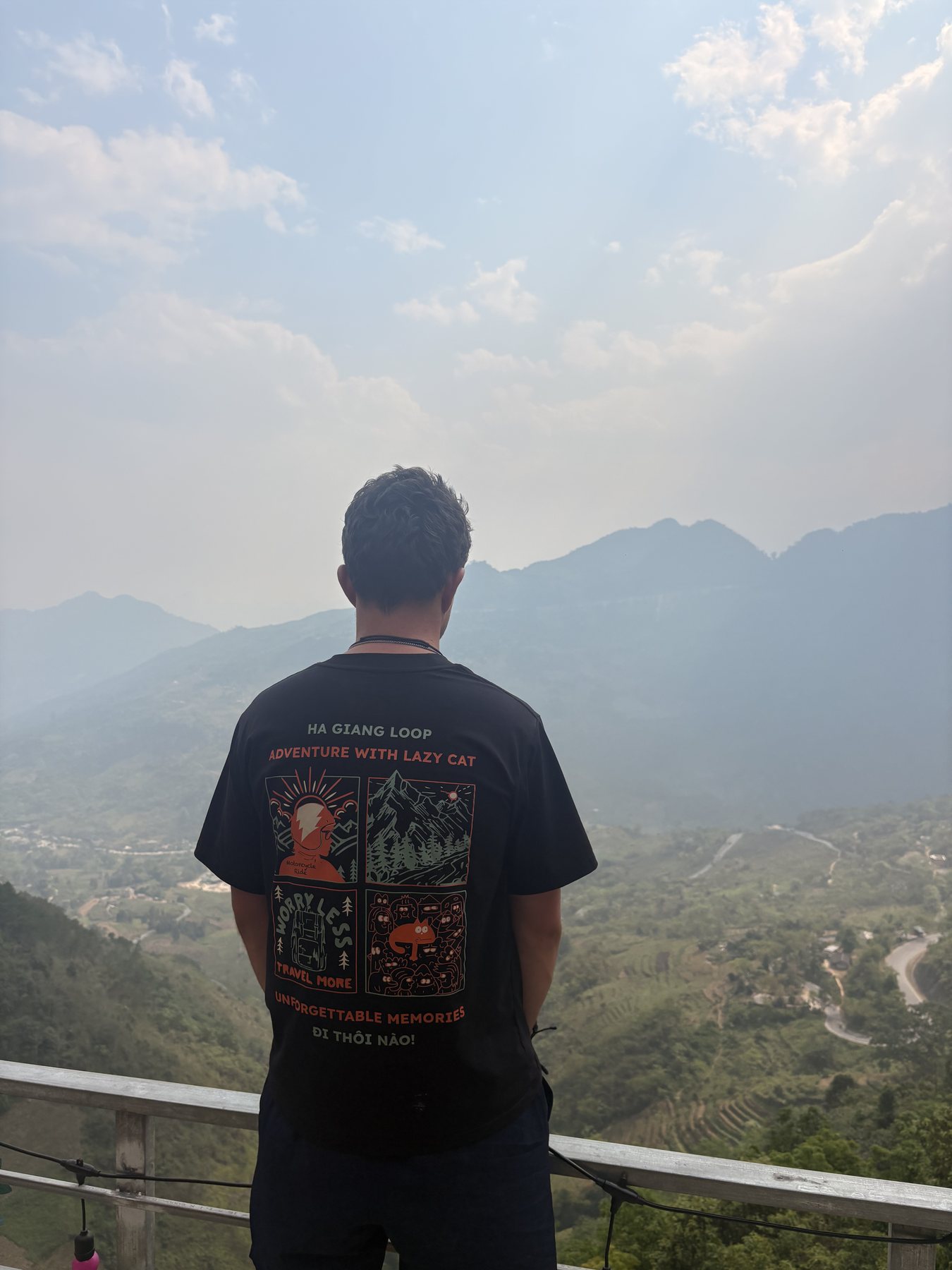
Other than that, no issues whatsoever. The real issues began when I returned to the hostel. My plan was to go to Cao Bang and do the Cao Bang Loop solo. The day after the loop, my bus to Cao Bang arrived at the hostel. I went to grab my supply of insulin from the freezer and, lo and behold, my insulin was nowhere to be found.
A sinking feeling entered my stomach as I realised that, instead of my orange NovoRapid pens, there were multiple orange Fanta cans. Fear turned to dread when I set eyes upon the freezer compartment above the refrigerated area. There it was. Three months of insulin had been frozen solid. I knew that using insulin after it had been frozen was not recommended and that I could be in real trouble.
After taking a few deep breaths, I decided to take the bus to Cao Bang anyway. I realised I had enough insulin to get me through the week and I could still complete the loop. I decided to cut the loop down to two days just to be safe, and I am so glad that I did it. This loop was stunning, and the fact that I did it solo made the experience even more special for me. Read my guide on the loop here.

After finishing the loop, I made my way down to Hanoi. On the bus, I remembered that my travel insurance had a 24/7 emergency medical helpline. I messaged the online doctor service they provided and explained the situation. After a few back-and-forth exchanges, they arranged an appointment for me with a doctor in Hanoi.
Luckily, the doctor understood the situation very well and spoke brilliant English. He wrote me a prescription to replace all my insulin. The bill came to US$500, but again, luck was on my side, and just an hour after I requested it, my travel insurer agreed to cover the bill. I didn’t even have to pay a penny of it.
They printed out my prescription, and I picked up my supply next door. The trip continues. This is why I cannot recommend using Post Office travel insurance enough when it comes to travelling with a chronic illness. I had read so many horror stories of insurance companies refusing to pay the bills, and I have been surprised to realise that a lot of insurers would not have covered me in this scenario, simply because “I handed over my medication” and it was not under my personal care. Do these supposed “medical” travel insurers expect us to sit and watch the contents of a fridge 24/7 while on holiday?