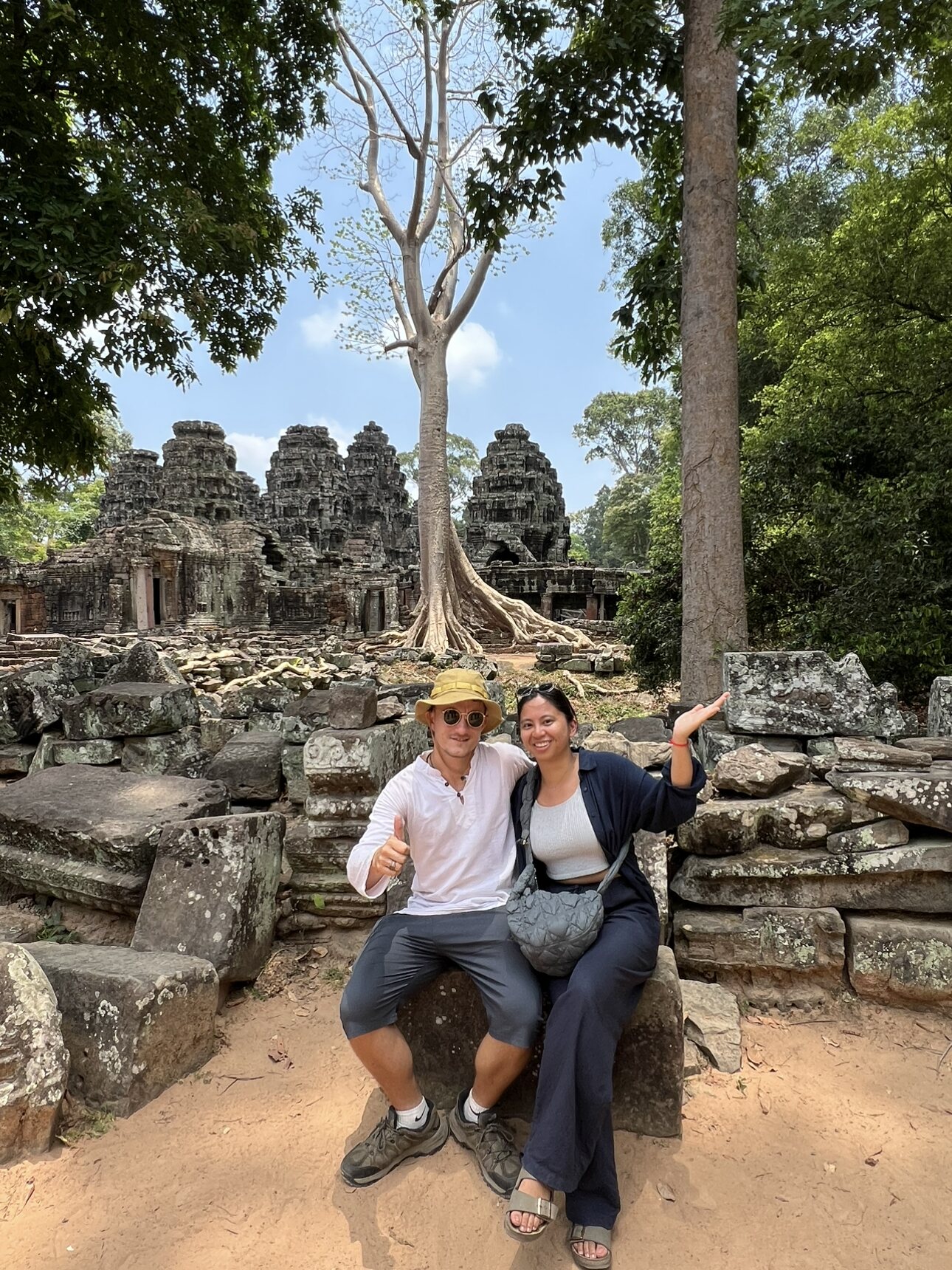
1. Diabetes became part of the journey, not the reason to avoid it
After my diagnosis in 2020, there were times I genuinely thought my dream of backpacking Southeast Asia was over.
Five months of border crossings, sunrise hikes and motorbike loops did not make diabetes disappear. It became part of what made the journey meaningful. It even led me to volunteer with young people living with Type 1 in Cambodia through Action4Diabetes.
2. Most people were more understanding than I expected
Before flying to Bangkok, I worried about the social side almost as much as the medical side. Would I make friends? Would people treat me differently? Would I have to explain my sensor to every person in the hostel?
In reality, I started to enjoy explaining my condition to people and the fact that I am creating content for other people to learn from. This gave my journey even more purpose. All in all, though, everybody I met was very understanding of my Type 1. During hikes, I held up quite a few people during my five months in Asia because I was treating low blood sugars. Not a single person complained.
3. I was more capable than I gave myself credit for
I managed overnight buses, border crossings, food poisoning, language barriers and changing climates while making hundreds of diabetes decisions every day.
That did not mean I managed everything perfectly. Confidence came from solving problems, not avoiding mistakes.
When life feels difficult now, I can remind myself that I navigated five months across Southeast Asia with Type 1. Whatever is happening is probably still annoying, but it is less convincing when it tells me I cannot cope.
4. Preparation does not stop emergencies; it stops them becoming disasters
My biggest insulin scare happened when a hostel froze most of my supply in Vietnam.
I started to panic and catastrophise the situation. Then I remembered the week’s backup insulin I had kept separately. That gave me time to reach Hanoi and arrange replacements.
The emergency still happened. Preparation made it solvable.
5. Hypos became the biggest logistical nuisance
I packed plenty of glucose tablets. I should have packed more.
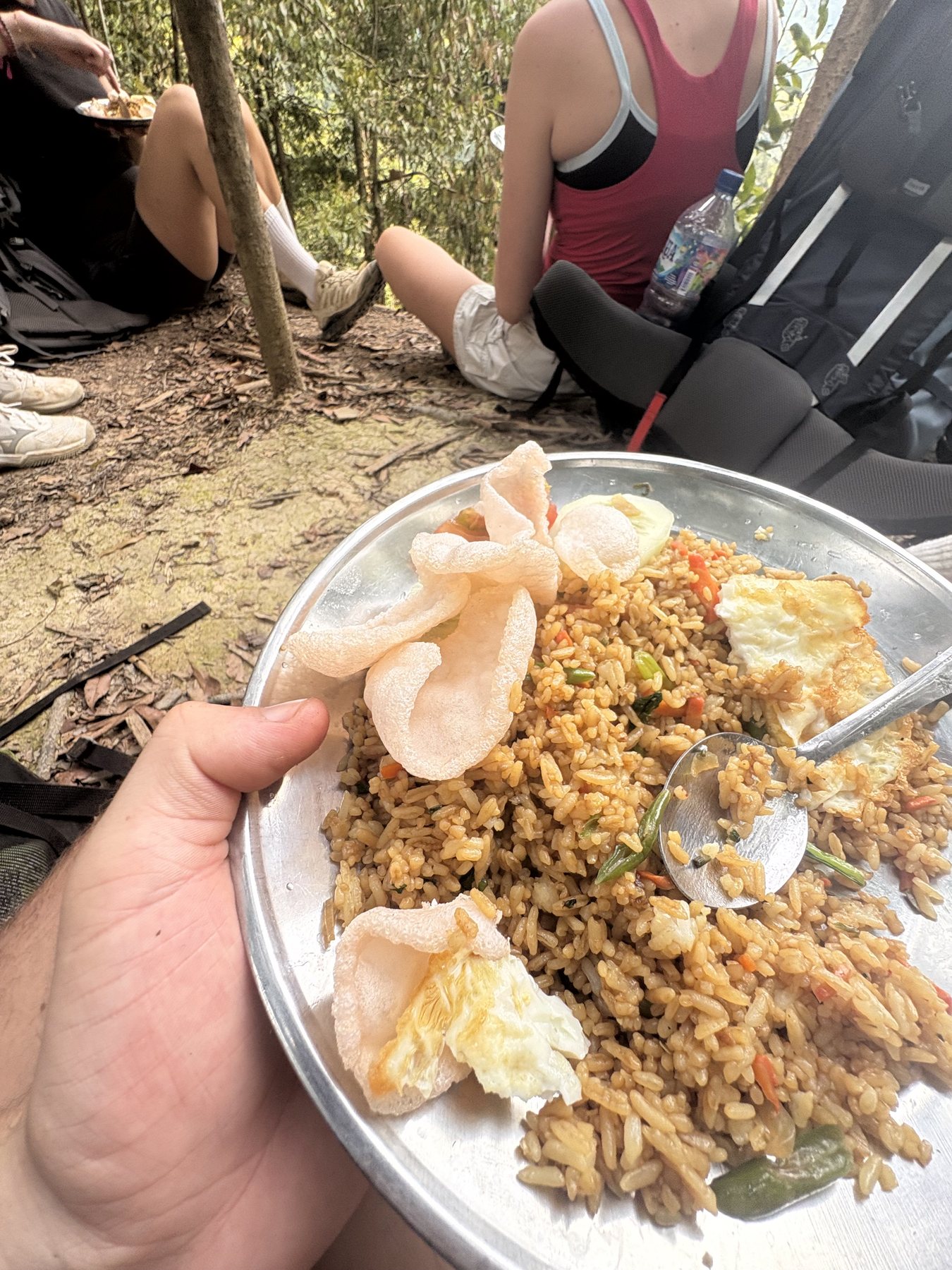
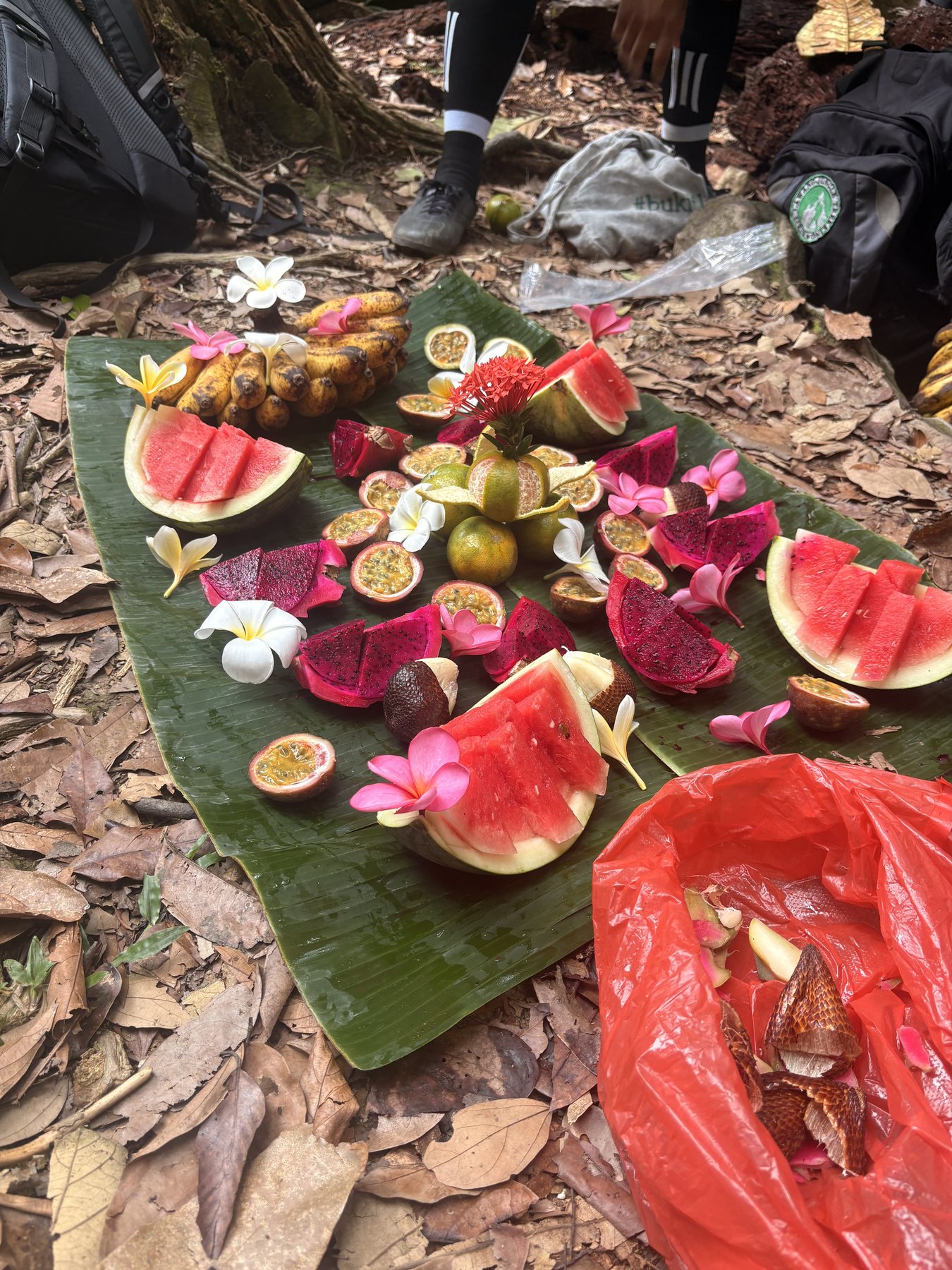
Long travel days, jungle treks, mountains and heat changed what my body needed. Buying sugar in Southeast Asia was not difficult, because it appeared in drinks I had not even asked to be sweet, but shops were not always available when I needed them.
I learned to carry more water and more hypo treatment than seemed reasonable.
6. I realised how lucky I am
Growing up in the UK, I took specialist diabetes teams, reliable insulin access and CGM technology for granted.
That changed when I learned more about Type 1 care in the countries I visited. Action4Diabetes began working with the Lao government in 2016 to support children and young people with insulin, monitoring equipment and clinical care. In Cambodia, I met young people living with the same condition as me but with far fewer resources.
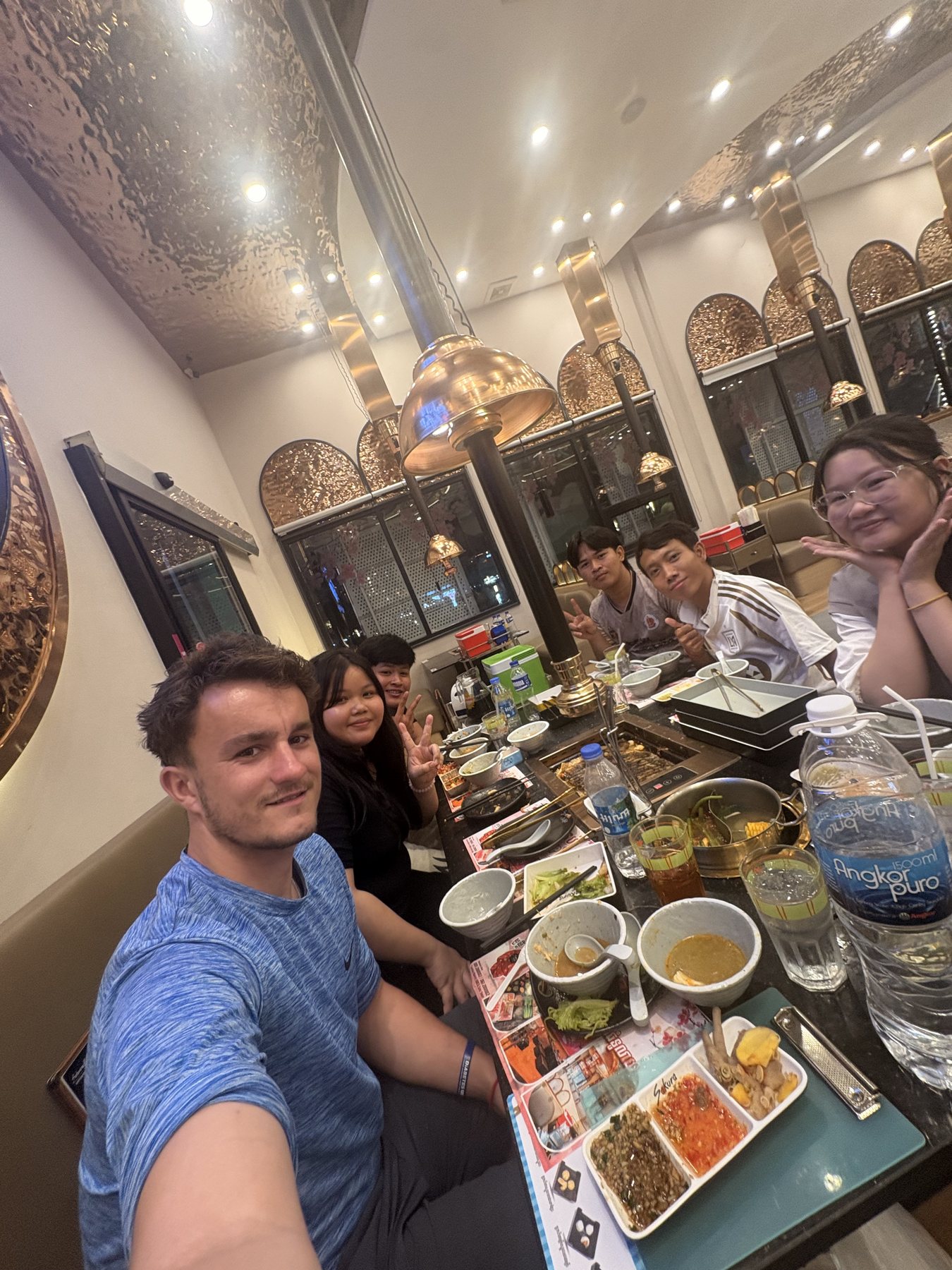
One girl looked at my CGM and said it was her dream to have one. That sentence followed me home.
Travel did not just make me feel capable. It made me understand how much of my independence depends on healthcare and technology I did nothing to earn.
If you travel with Type 1, be curious about how the condition is managed where you visit. You may return with more than photos and a questionable hostel towel. You may come back seeing your own life differently.