The first time I ate out abroad with severe allergies, everyone else saw dinner. I saw an unfamiliar kitchen, a language barrier and several creative ways a peanut could ruin my trip.
I am severely allergic to peanuts and shellfish. Sitting down in a restaurant abroad meant handing part of my safety to somebody I had never met.
The fear arrived before the food
I had prepared for the flight: insurance, EpiPens, medication and translated allergy cards. Eating felt different because I could not see every ingredient, sauce, pan or chopping board.
A confident nod from a waiter reassured me for approximately three seconds. Then my brain translated it as: “He may have understood absolutely nothing.”
My allergy cards
I’ve written more about using food allergy translation cards across Southeast Asia, including the questions I still asked.
The card clearly named peanuts and shellfish, explained that the allergy was serious and mentioned cross-contact. Staff could carry it into the kitchen and show the cook rather than rely on my pronunciation.
I still watched how they responded. Someone who paused, checked ingredients and returned with a specific explanation made me feel far safer than somebody who said yes instantly. Confidence is not the same as understanding.
If staff looked confused, dismissed the allergy or promised everything was safe without checking, I left. Being polite is useful. Being too polite to protect yourself is not.
I chose simple food rather than exciting food
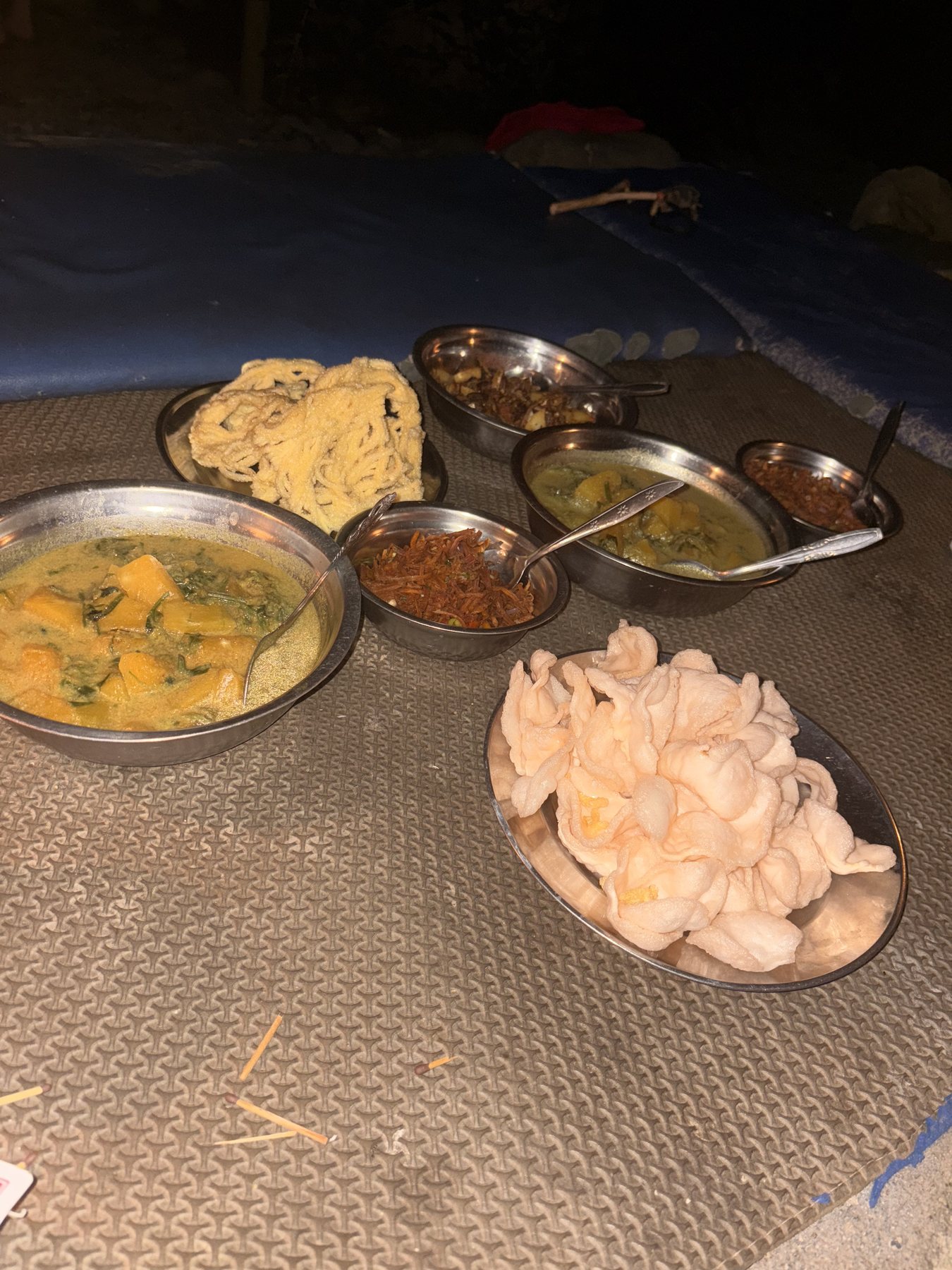
That first meal was not the moment to prove I could eat anything. I looked for a straightforward dish with ingredients staff could explain. I avoided mystery sauces, shared frying oil and kitchens where my allergens were used everywhere.
Both EpiPens stayed with me, not back at the hostel having a relaxing evening. If I was eating with somebody, I told them about the allergy and what to do in an emergency.
The first bite was still frightening
Preparation did not remove the fear. I ate slowly and noticed every sensation in my mouth, including several almost certainly produced by anxiety. The meal passed normally.
That gave my brain something useful: evidence. Eating abroad carried risk, but I was not helpless. I could ask questions, assess the response and walk away if it did not feel safe.
Travelling has not made me casual about severe allergies, and I do not think it should. It has made me better at separating a considered risk from a blind one. Confidence came from repeating a careful routine, not from pretending the allergy had disappeared.
Source and further guidance
Personal experience only. Speak with an allergy specialist before travelling and follow your own emergency plan.