
Before travelling to Southeast Asia, I had consumed enough online fearmongering to believe every dish contained peanuts, every other dish contained shellfish and every cook used peanut oil.
The reality was much more manageable, but allergy translation cards were still vital for when translations went wrong or my phone was dead.
Thailand
In the tourist areas I visited, English was often widely spoken and staff were used to travellers asking about ingredients. Thailand also has an enormous range of dishes, so I could usually find something that did not obviously centre my allergens.
I still used an allergy card when communication felt uncertain.
Vietnam
Communication was more variable, particularly away from major tourist centres, so the card became more important. Peanuts and shellfish can appear in garnishes, broths, sauces and shared preparation areas.
I often ate dishes such as pho, banh mi and bun bo Hue, but I would never describe any Vietnamese dish as automatically allergy-safe. Recipes and kitchens differ. The card helped me ask about the exact version being served rather than trusting the dish’s name.
Laos
English was very poor in some of the places I visited in Laos, this made relying on translation apps or the physical cards, very important. However, I did not come across a dish that contained peanuts on my whole journey there.
Cambodia
In Cambodia, I found English communication better than expected in tourist areas. Peanut sauces, satay and mixed kitchen equipment still required careful questions. Remote areas made the cards particularly useful because mobile signal and translation apps were not always reliable.
Malaysia
English was excellent in the cities I visited, which made conversations easier. In Malaysia you have to be careful with the sauces in curries and sambals and triple make sure you state your allergies clearly.
I rarely needed to present the physical card, but it stayed in my bag.
Indonesia
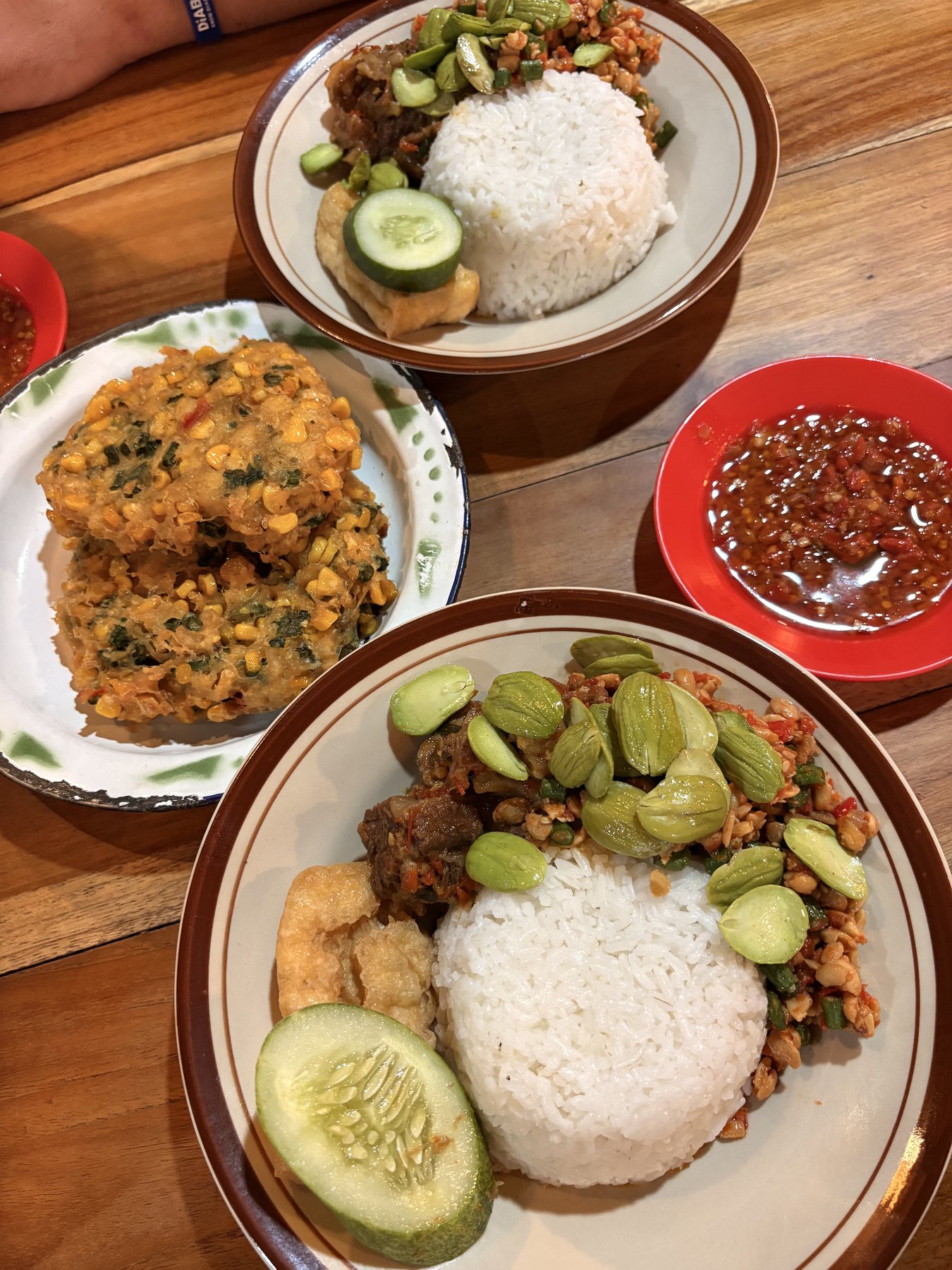
Indonesia was the country where I felt most alert about peanuts. Dishes such as gado-gado and satay commonly use peanut-based sauces, and communication varied widely between places.
I showed my allergy card regularly, carried safe snacks and left if staff could not confidently check.
So, are translation cards worth it?
Yes. Carry cards naming your allergens, the severity of the allergy and the risk of cross-contact. Keep them offline, carry two EpiPens if prescribed and use translation apps as a backup rather than the only plan.
Southeast Asia was manageable with my allergies, but preparation did the heavy lifting.
Source and further guidance
Personal experience only. Recipes, kitchens and communication vary. Follow your own allergy action plan and specialist advice.